
Oct 16, 2026Product Guides
How to Choose the Right TPU Ear Tags for Cattle, Sheep and Goats
Learn how to choose TPU ear tags for cattle, sheep and goats. Compare tag sizes, materials, one-piece and two-piece designs, and custom options for livestock identification.
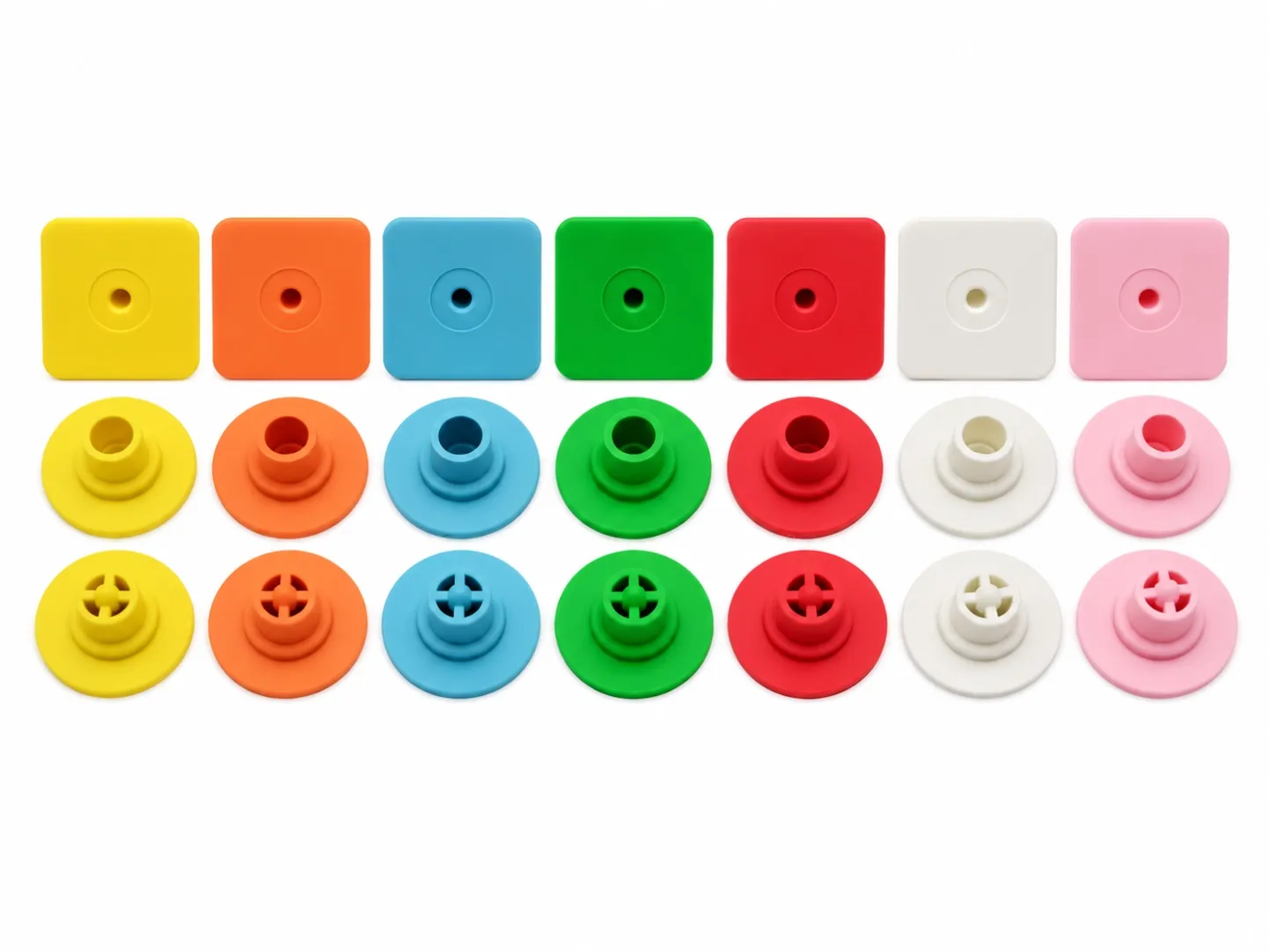
Choosing the right ear tags is an important part of effective livestock identification. Whether you manage a cattle farm, supply agricultural equipment or purchase animal identification products for distribution, selecting suitable ear tags can help support animal identification, recordkeeping and day-to-day farm management.
Among the materials used in livestock identification, thermoplastic polyurethane (TPU) is a common choice for flexible visual ear tags.
However, not every ear tag is suitable for every animal. Cattle, sheep and goats differ in ear size, management requirements and the types of identification products commonly used.
In this guide, IMINID explains the key factors buyers should consider when selecting TPU livestock ear tags, from material and dimensions to tag design, customization and bulk purchasing.
1. Why Choose TPU Ear Tags for Livestock?
TPU, short for thermoplastic polyurethane, is a flexible polymer used in many animal identification products.
Its properties can make it suitable for livestock ear tags that need to withstand regular movement and everyday farm conditions.
Common advantages of appropriately formulated TPU ear tags include:
- Flexibility: The material can bend with normal movement, depending on tag thickness and construction.
- Durability: Suitable TPU formulations can offer resistance to abrasion and everyday wear.
- Practical identification: TPU tags can accommodate visible numbers, identification codes and other printed information.
- Design versatility: TPU can be manufactured in various shapes, sizes and colors.
- Customization: Different numbering systems, logos and printing layouts can be considered for specific projects.
Actual performance depends on material formulation, tag design, manufacturing quality and environmental conditions.
For buyers, material selection should be considered alongside the quality of the complete ear tag, including its attachment mechanism and printed identification.
2. Choosing Ear Tags for Different Animals
One of the most important purchasing considerations is the animal species.
A tag designed for adult cattle may be unnecessarily large for smaller livestock, while a small identification tag may not provide sufficient space for readable numbers on larger animals.
Cattle Ear Tags
Cattle ear tags are commonly used for individual animal identification, breeding records, herd management and livestock traceability.
Depending on the application, cattle identification products may include larger visual tags, two-piece identification systems and electronic RFID tags.
When selecting cattle ear tags, consider:
- Animal age and approximate ear size
- Required identification number visibility
- Tag shape and dimensions
- Attachment mechanism and compatible applicator
- Farm management and traceability requirements
Larger visual tags can provide more space for identification numbers, but the appropriate size should always be selected with animal welfare and correct placement in mind.
For farms and distributors requiring customized identification, cattle ear tags may be specified with printed numbers, company logos or other project information.
Sheep Ear Tags
Sheep generally require smaller and lighter identification tags than adult cattle.
Depending on the farming system and local identification rules, buyers may consider compact tags, strip-style tags or suitable electronic identification products.
Important factors include:
- Compact dimensions appropriate for the animal
- Comfortable and secure attachment
- Readable identification numbers
- Compatibility with the intended applicator
- Requirements for individual or flock identification
The preferred design may vary between lambs and adult sheep, so buyers should confirm the intended animal group before ordering.
Goat Ear Tags
Goat identification also requires careful consideration of ear size and tag placement.
Different goat breeds and age groups may have different requirements, making tag size and weight particularly important.
For goat ear tags, buyers should evaluate:
- Tag size relative to the animal's ear
- Suitable attachment and retention design
- Identification visibility
- Material flexibility
- Compatibility with farm identification practices
A tag that works well for one group of livestock should not automatically be assumed suitable for another.
3. One-Piece vs Two-Piece Ear Tags: What's the Difference?
Livestock ear tags are available in different structural designs, including one-piece and two-piece systems.
Understanding these differences can help buyers select products that match their existing identification processes.
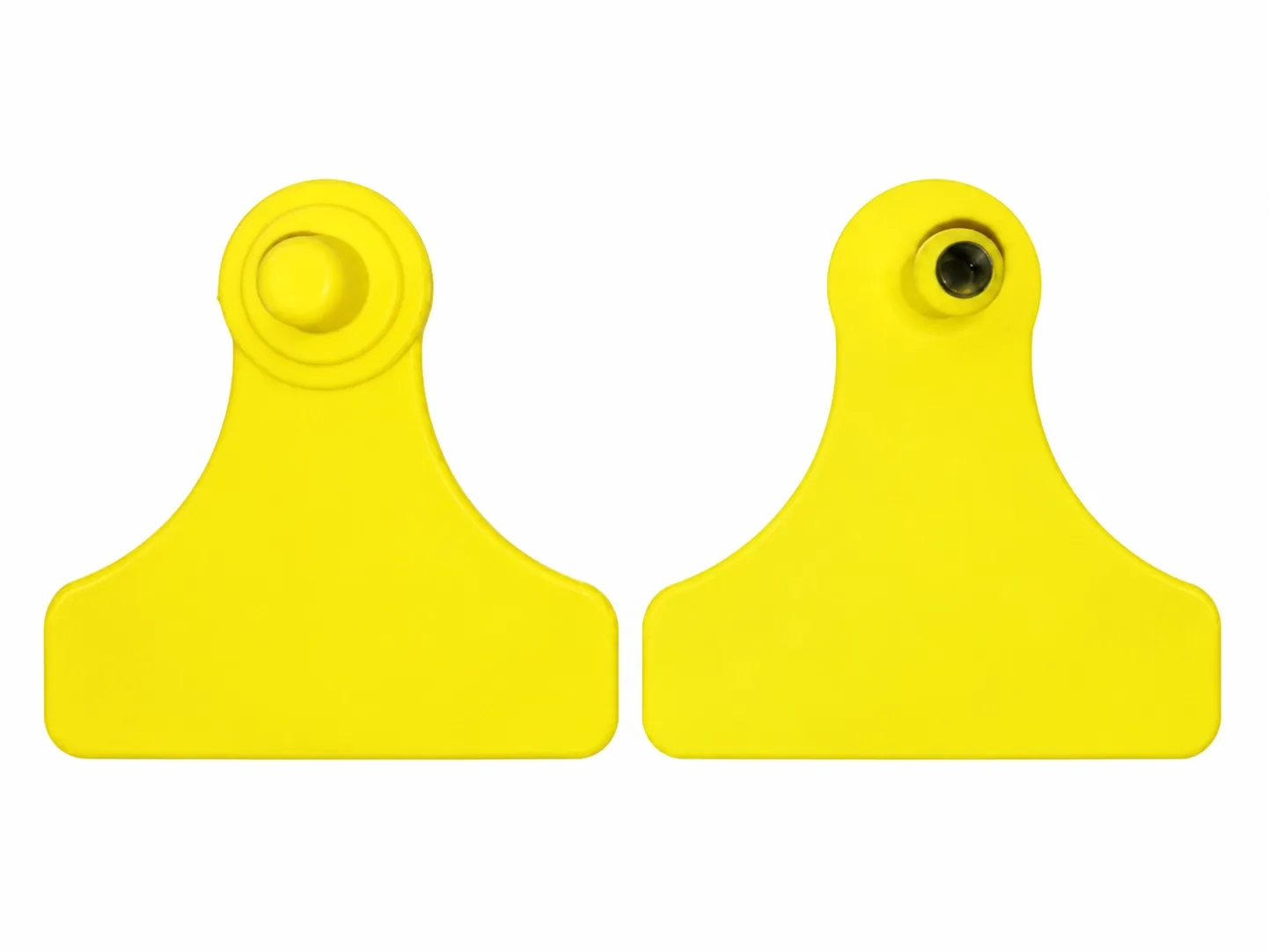
One-Piece Ear Tags
One-piece ear tags integrate the identification tag and fastening component into a single product design.
Depending on the model, they can offer a straightforward identification option for suitable livestock applications.
Before ordering, buyers should verify the attachment method, applicable animal species and compatible installation tools.
Two-Piece Ear Tags
Two-piece ear tags generally consist of a male component and a female component that are joined during application.
These systems are available in various shapes and dimensions, with different male buttons and female tag designs.
When purchasing two-piece ear tags, buyers should confirm that:
- The male and female components are compatible.
- The applicator supports the selected tag system.
- The tag size matches the animal and identification purpose.
- The fastening design meets the project's requirements.
Buying Tip: Do not assume that tag components or applicators from different manufacturers are interchangeable. Compatibility should be checked before placing a bulk order.
4. How to Select the Right Ear Tag Size
Ear tag dimensions influence identification visibility, suitability for the animal and overall usability.
When comparing different ear tag models, buyers should consider the following factors.
Animal Species and Age
Adult cattle generally accommodate larger identification formats than sheep, goats or young animals. Tag selection should be based on the actual animal group.
Identification Number Length
Long identification codes may require sufficient printable space or a carefully designed numbering layout.
Tag Shape
Rectangular, round, strip-style and other tag shapes offer different printable areas and physical profiles.
Attachment Requirements
Dimensions alone are not enough. The fastening components and applicator must also be suitable.
Local Regulations
Some countries and livestock identification programs specify tag colors, numbering formats, electronic identification requirements or approved identification devices.
There is no single universal ear tag size that is ideal for all cattle, sheep and goats.
For wholesale purchasing, obtaining samples and checking the complete tag dimensions before confirming production can help reduce ordering errors.
5. Custom Ear Tags: What Can Buyers Personalize?
For importers, livestock distributors and agricultural identification projects, customization can be an important purchasing requirement.
Depending on the product model and manufacturing process, custom ear tag options may include:
Customization | Common Buyer Requirements |
|---|---|
Color | Identification by animal group or farm system |
Printed numbers | Sequential or project-specific animal IDs |
Logo printing | Farm, distributor or company branding |
Size and shape | Suitable identification format |
Packaging | Bulk packing or project-specific labeling |
RFID options | Electronic identification, subject to product compatibility |
Before placing a customized order, buyers should confirm the available printing area, required numbering sequence, artwork format, minimum order quantity and production requirements.
For RFID identification projects, the relevant frequency, protocol and reader compatibility should also be confirmed.
6. What Should Wholesale Buyers Check Before Ordering?
When sourcing livestock ear tags in bulk, unit price is only one part of the purchasing decision.
An unsuitable tag design, unclear numbering requirement or incompatible applicator can create additional costs after delivery.
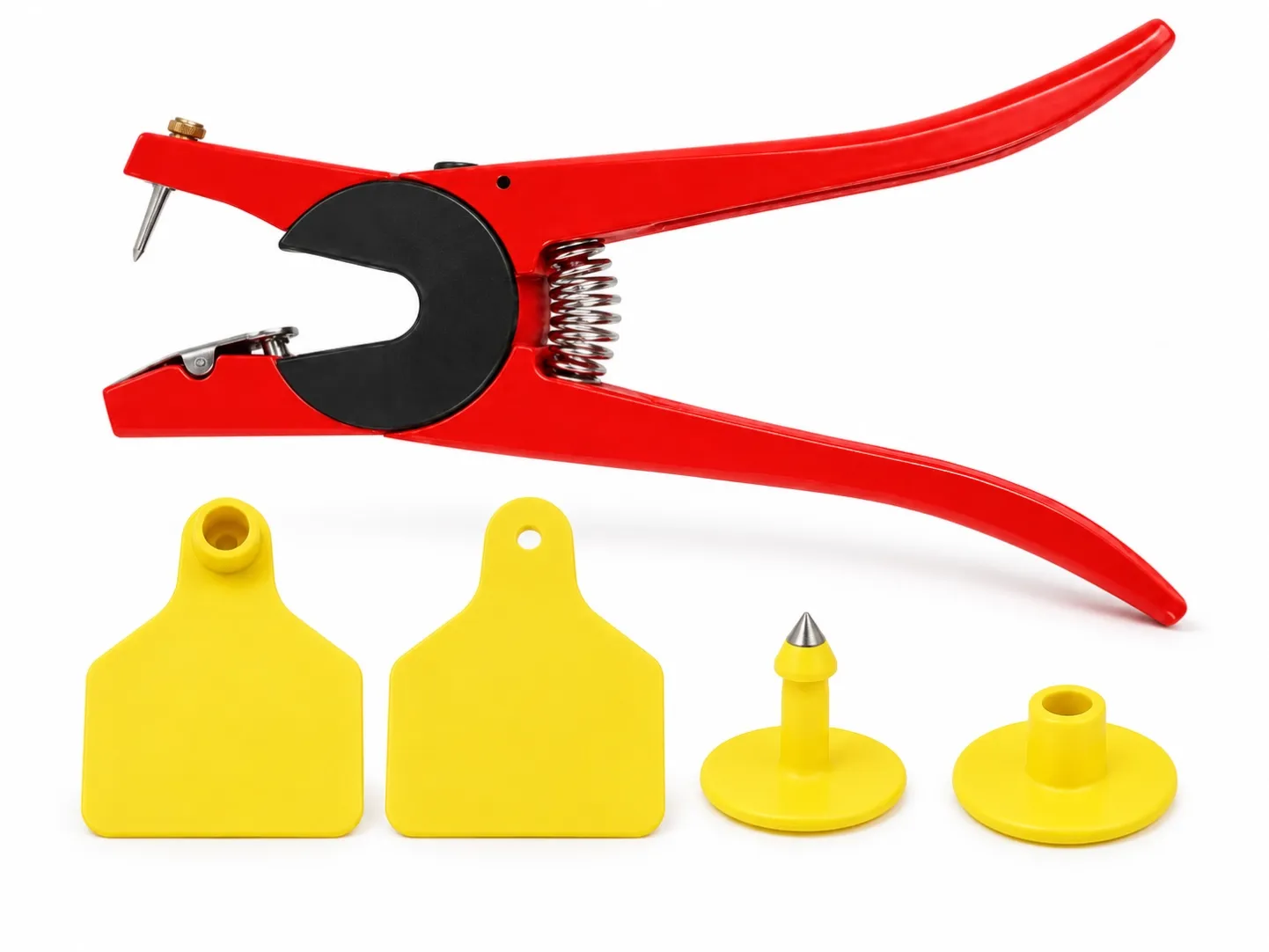
Before confirming a purchase order, buyers should review the following:
Product Specifications
Confirm material, tag dimensions, color, male and female component specifications where applicable, and intended animal species.
Samples
Evaluate physical samples where practical, particularly when changing suppliers or introducing a new tag design.
Printing Requirements
Provide numbering ranges, logo artwork and any special identification layout instructions.
Applicator Compatibility
Verify that the selected ear tag system works with the intended installation tool.
Order Quantity and Packaging
Confirm the minimum order quantity, units per package and any customized packing requirements.
Applicable Identification Rules
Verify destination-market requirements before ordering, especially for regulated livestock identification programs.
A clear product specification helps both buyers and suppliers avoid misunderstandings during the quotation and production process.
7. Explore Livestock Ear Tags from IMINID
At IMINID, we provide animal identification products and sourcing support for international customers, including livestock ear tags, RFID identification products and related accessories.
Our product range includes cattle ear tag designs, smaller livestock identification tags and ear tag application tools.
We work with importers, distributors and agricultural businesses to discuss suitable product specifications, customization requirements and wholesale purchasing needs.
Whether you are purchasing visual ear tags for a livestock project or exploring electronic identification options, our team welcomes the opportunity to understand your requirements.
Request a Quote for Custom Livestock Ear Tags
Looking for TPU ear tags for cattle, sheep or goats?
Contact IMINID with your required animal species, preferred tag design, quantity, color, numbering requirements and destination market.
Our team can help review the available options and discuss your sourcing requirements.
IMINID — Animal Identification Products & Customization Solutions