125 kHz vs 134.2 kHz Animal RFID: What Buyers Need to Confirm
Compare 125 kHz and 134.2 kHz animal RFID systems, including EMID, FDX-B, HDX, ISO 11784/11785, reader compatibility, interfaces and sample testing.
Frequency is only the first compatibility check
Animal RFID products may be described as 125 kHz or 134.2 kHz, but frequency alone does not confirm that a reader and tag will work together. Buyers should also verify the tag protocol, applicable standard, reader firmware and data output.
Two products can operate in a similar low-frequency range and still be incompatible. A sample test with the exact reader and tag model is the safest way to confirm performance before a bulk order.
125 kHz animal RFID systems
125 kHz products are often associated with EMID-type identification, but the exact protocol must be checked with the supplier. Confirm whether the reader supports the tag format and whether the ID is displayed, stored or transferred in the required way.
If an existing customer system already uses 125 kHz tags, send a sample tag ID, reader model or clear photo of the product label for compatibility review.
134.2 kHz and ISO 11784/11785
134.2 kHz is commonly used for animal identification products based on ISO 11784/11785. FDX-B and HDX are different communication methods, so the reader must support the specific protocol used by the tag.
Some readers support multiple protocols, while others support only one. Check the specification instead of assuming that every 134.2 kHz reader can read every animal tag.
Reader interface and data requirements
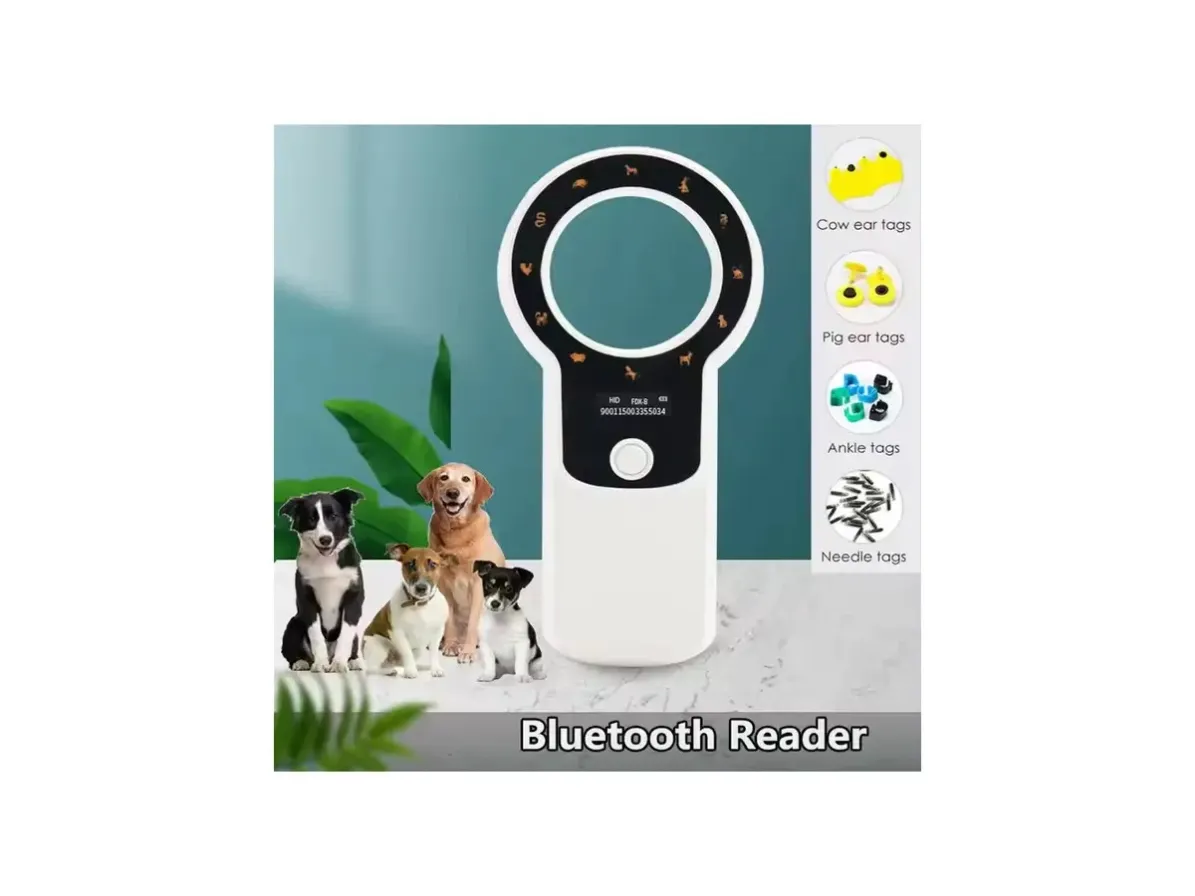
Compatibility also includes the way data is delivered. Confirm whether the buyer needs a screen display, USB connection, Bluetooth connection, keyboard output or file export. The required interface should match the farm software or record system.
Reading distance can vary with antenna design, tag size, orientation, installation environment and interference. Treat stated read distance as a test condition rather than a guaranteed result in every application.
Sample testing before a bulk RFID order
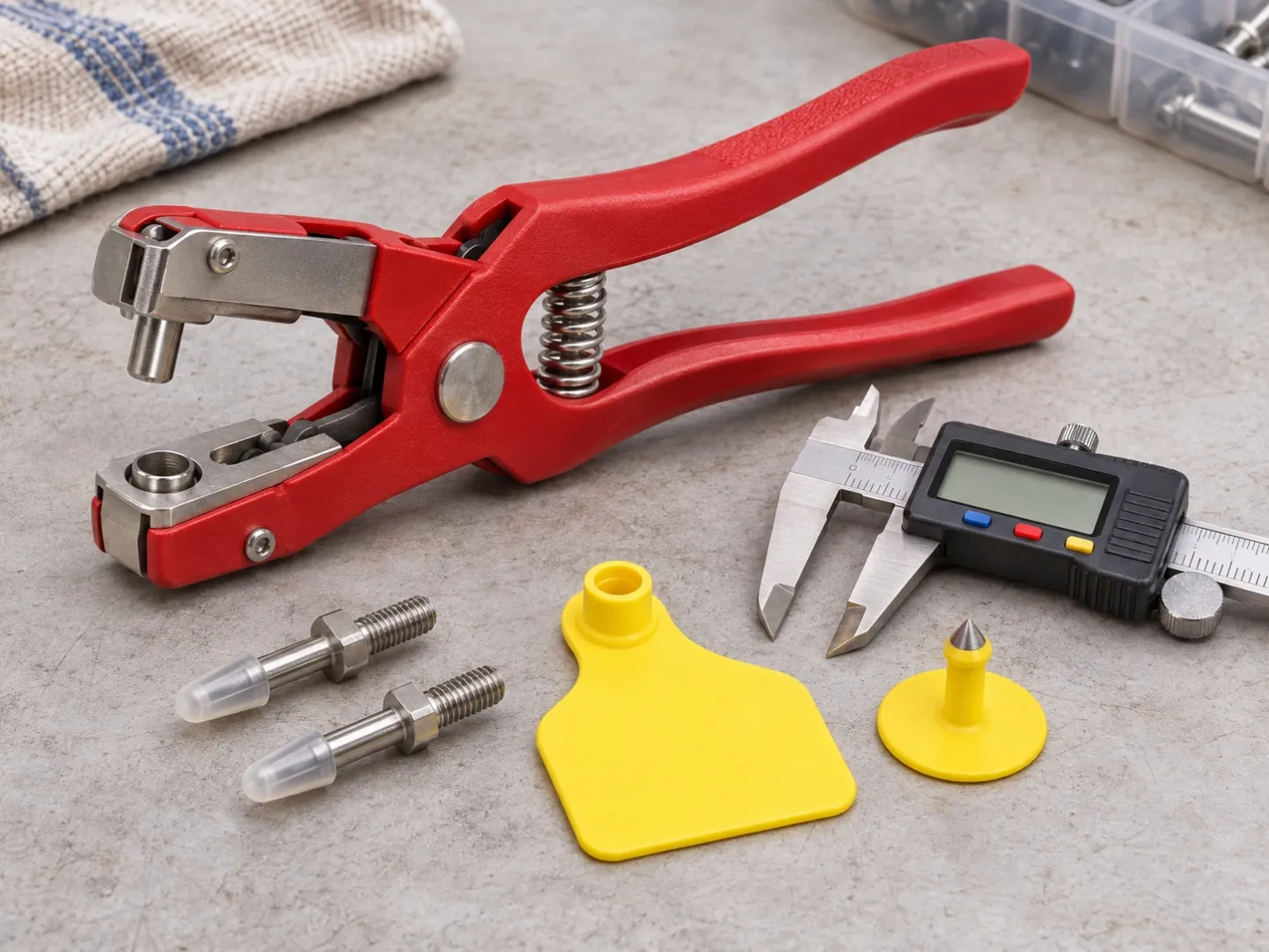
Test the exact tag and reader combination. Confirm that the ID is read consistently, the full code is displayed correctly and the data output works with the intended device or software. For electronic ear tags, also check the physical tag components and applicator fit.
Information to send for a quotation
Send the required frequency, protocol, standard, tag type, reader model, interface, quantity and destination. If these details are uncertain, provide photos of the current tags and reader labels so the requirements can be reviewed before a quotation is prepared.
Compare compatible RFID products
Review IMINID animal RFID readers and microchips or see the 134.2/125 kHz handheld animal RFID reader. For a compatibility check, send the tag protocol, sample ID, required interface, quantity and destination.