RFID Knowledge
Animal RFID Codes and Barcode Labels: What Buyers Should Match
Check animal RFID codes against barcode labels and database fields. Prepare a clear sample test for readers, microchips and electronic ear tag orders.
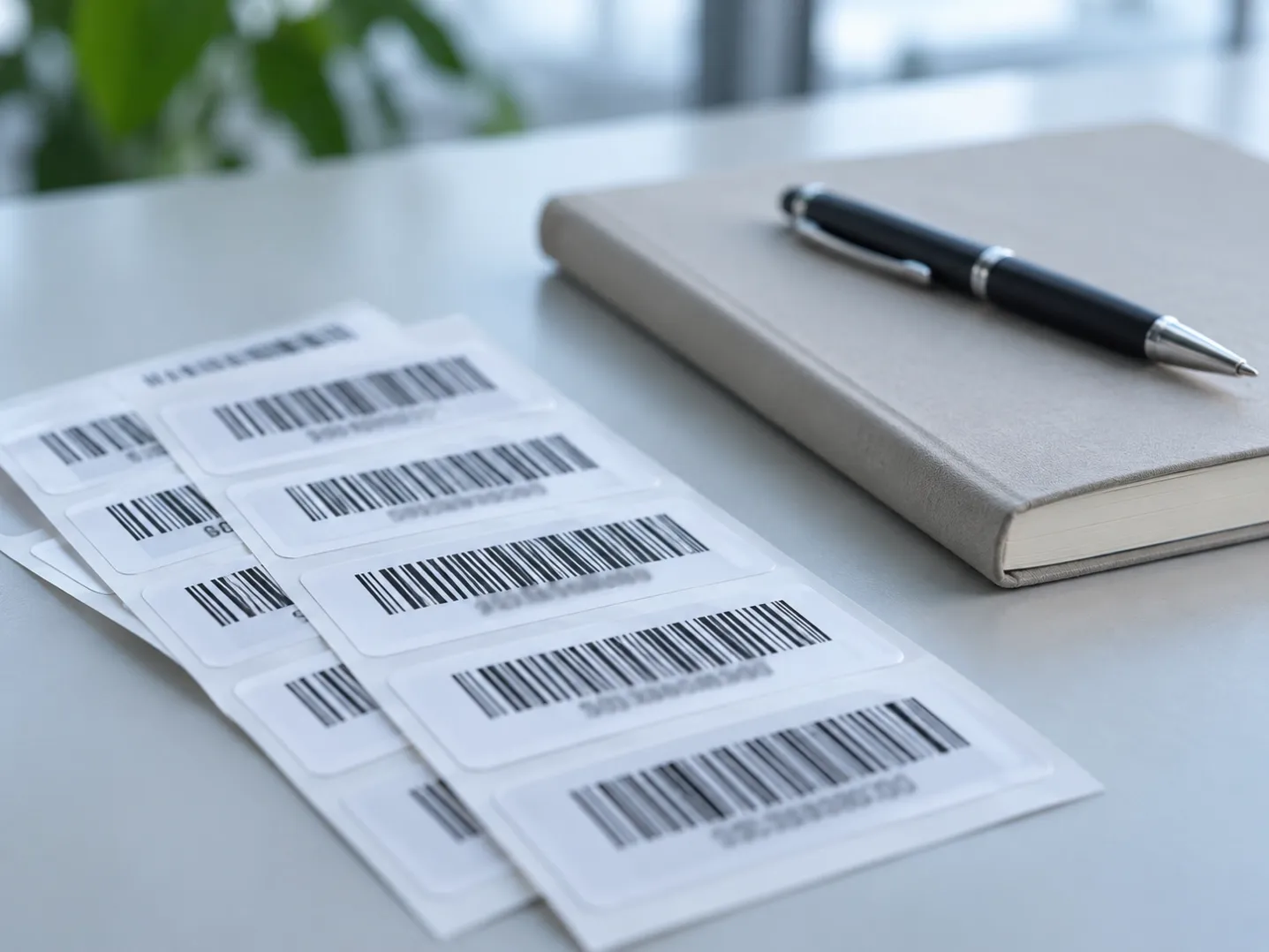
Animal RFID orders often include several forms of identification: the code read electronically, a printed number and adhesive barcode labels. Define how these references will be matched before approving samples. This helps the purchasing team, farm staff and software operator use the same record for each animal.
Start with the electronic code
Ask which identification code a compatible reader will return from the proposed microchip or electronic ear tag. Record the frequency, protocol and exact reader model used for the sample. Keep a copy of the displayed result and the exported text so your software team can compare the full values.
For an ISO animal RFID project, confirm the required code structure and any destination-specific authorization before production. ICAR publishes guidance on country-code use and maintains identification-device certification information. Ask for documents for the exact supplied model when your project requires them.
Agree what each barcode represents
A barcode label may help transfer an identification reference into a record system. Ask for a sample label and the value obtained when it is scanned. Compare that value with the electronic reading from its associated device, including any prefix, spaces or leading zeros.
Define how many labels are supplied per device, whether every label in that set contains the same reference and how the labels remain paired with the correct device during packing. For RFID ear tags with visible farm numbers, request a mapping between the visible number and the electronic code if both will be used.
Keep database fields clear
Store the full identification code in a field that preserves its original characters. In spreadsheets, use a text field for codes that could otherwise lose leading zeros or be displayed in scientific notation. Keep the animal record, farm management number and electronic code in clearly named columns.
Decide who will create or update the animal records in your chosen software or registry. Include this step in the project plan and verify a sample record end to end before ordering in volume.
Run a small receiving test
- Select one identified sample device and its associated labels.
- Read it with the proposed compatible RFID reader.
- Scan its barcode label and compare the resulting value.
- Export the RFID reading using the intended connection.
- Import both values into the receiving software and check for truncation, changed formatting or duplicate records.
- Record the agreed format and the responsible person before sample approval.
Repeat the check with several samples and preserve the test files. Confirm the acceptance checks for the bulk shipment with your supplier.
Prepare a compatibility inquiry
Browse IMINID animal RFID products. Send the tag or microchip model, reader model, required quantity, barcode-label needs, destination and an example of the required software field format. Include a sample ID when available.
Reference guidance is available from ICAR on animal RFID country codes and its animal identification device information.
Cover image is an AI-generated illustrative barcode-record scene.