Ordering Ear Tags from IMINID: Define Sets, Bags and Number Ranges
Prepare an IMINID ear tag order with complete-set quantities, bag labels, number ranges and carton totals that can be checked at delivery.
A quotation can state the correct total quantity and still leave room for confusion at delivery. Does a bag contain complete ear tag sets or separate components? Do numbers continue across bags, or restart for each group? This IMINID ordering note explains the details buyers can agree before confirming an ear tag purchase.
Start with complete sets
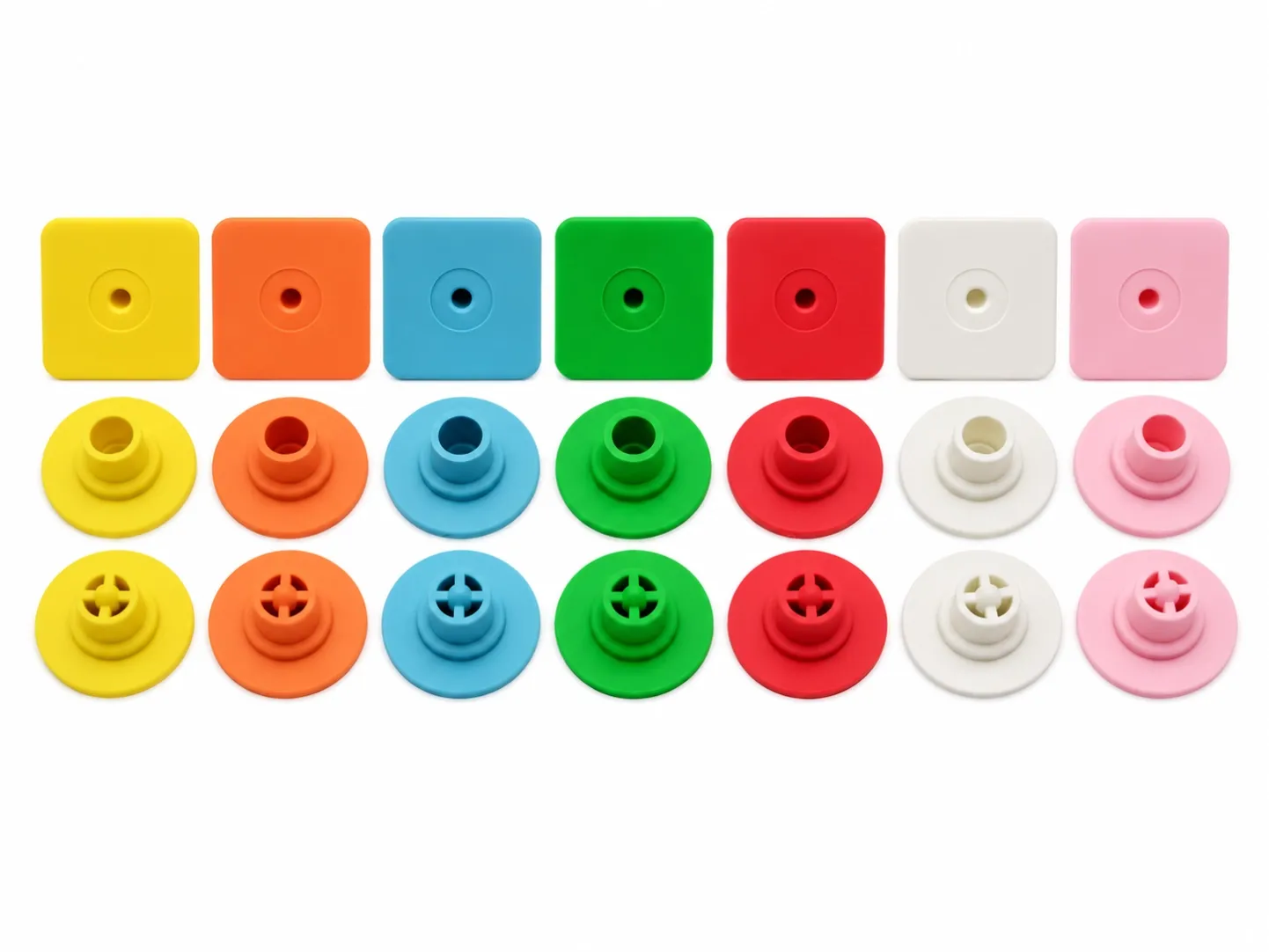
IMINID's minimum order quantity is 100 sets. For a two-piece ear tag, define the set as the selected female tag and its matching male component. A one-piece model has a different construction, so the order description should name the model rather than using a component count without explanation.
If the project requires two separate tags per animal, write that requirement explicitly. One complete two-piece tag set and two tags for one animal are different quantities. Ask us to show the agreed set contents on the quotation before comparing prices.
Separate quantity from packing preference
List the number of sets by model and colour, then state the preferred sets per bag and bags per carton. Packing preferences, availability and any additional costs need confirmation with the quotation; do not assume a catalogue packing example applies to every customised order.
For example, 1,000 sets divided into ten bags of 100 sets is a packing instruction for discussion, not a standard promise. If male and female parts will be packed separately, ask how the matching quantities will be labelled and checked.
Write the numbering rule for every group
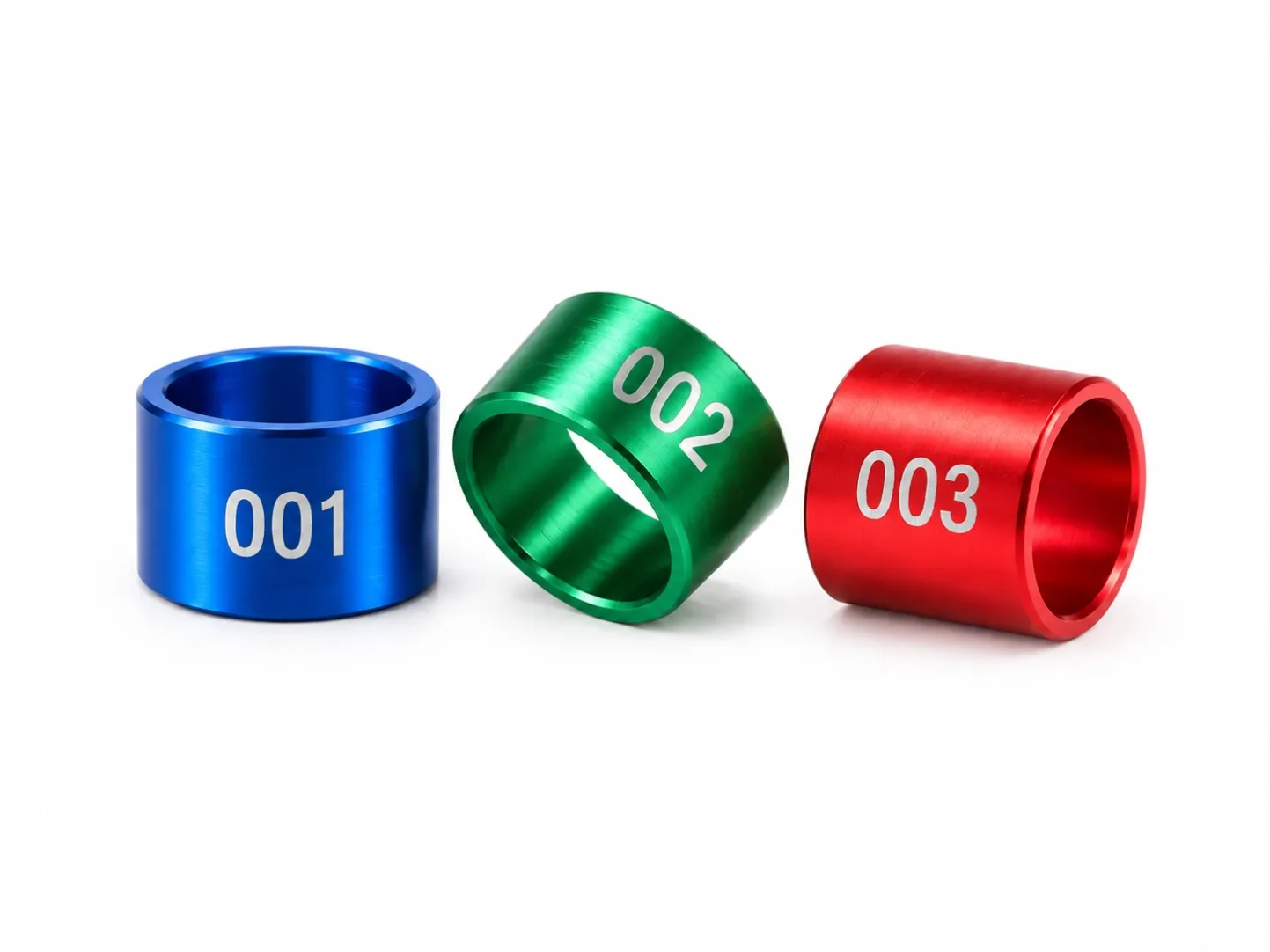
For numbered tags, specify the first and last number, prefixes, leading zeros and whether a sequence continues across colours or restarts. A short instruction such as “100 per bag” does not tell us which numbers belong in each bag.
- Model and colour reference.
- Complete sets in the group.
- Required marking exactly as it should appear.
- Start and end numbers, or a final approved numbering file.
- Bag grouping and label text.
Keep the approved file version with the order. If a revision changes the quantity or numbering range, review the bag totals again so an older packing instruction is not carried forward.
Make the receiving check straightforward
Agree on a packing summary that identifies each carton, its model groups and the corresponding quantities. Where number ranges are relevant, ask whether they can be included on the packing summary or bag label. Discuss the available format before payment or production approval rather than assuming a particular label service is included.
On arrival, compare the carton count and visible bag references with the agreed summary. Check a sample of matching components and markings, and report discrepancies with photos, the order reference and the affected bag or carton identifier. Retain the packaging while the issue is reviewed.
Prepare a clear enquiry
Browse our livestock ear tag range, then send model references, quantities in sets, colours, marking files and destination. Our blank, pre-numbered and custom ear tag guide can help define the marking format before a quotation.
For RFID models, add the protocol and electronic-number requirements. Printed management numbers, electronic IDs and bag references should each be defined so the receiving team knows which value it is checking.
Ready to prepare your ear tag order?
Send your selected models, complete-set quantities and packing preferences. We will review the requested configuration and quote the confirmed scope.
Request an Ear Tag Quotation