Product Guides
Bird Leg Band Sizes: What to Confirm Before a Bulk Order
Confirm bird leg band inner diameter, height, ring style and sample specifications before placing a bulk order for pigeon rings or bird identification bands.
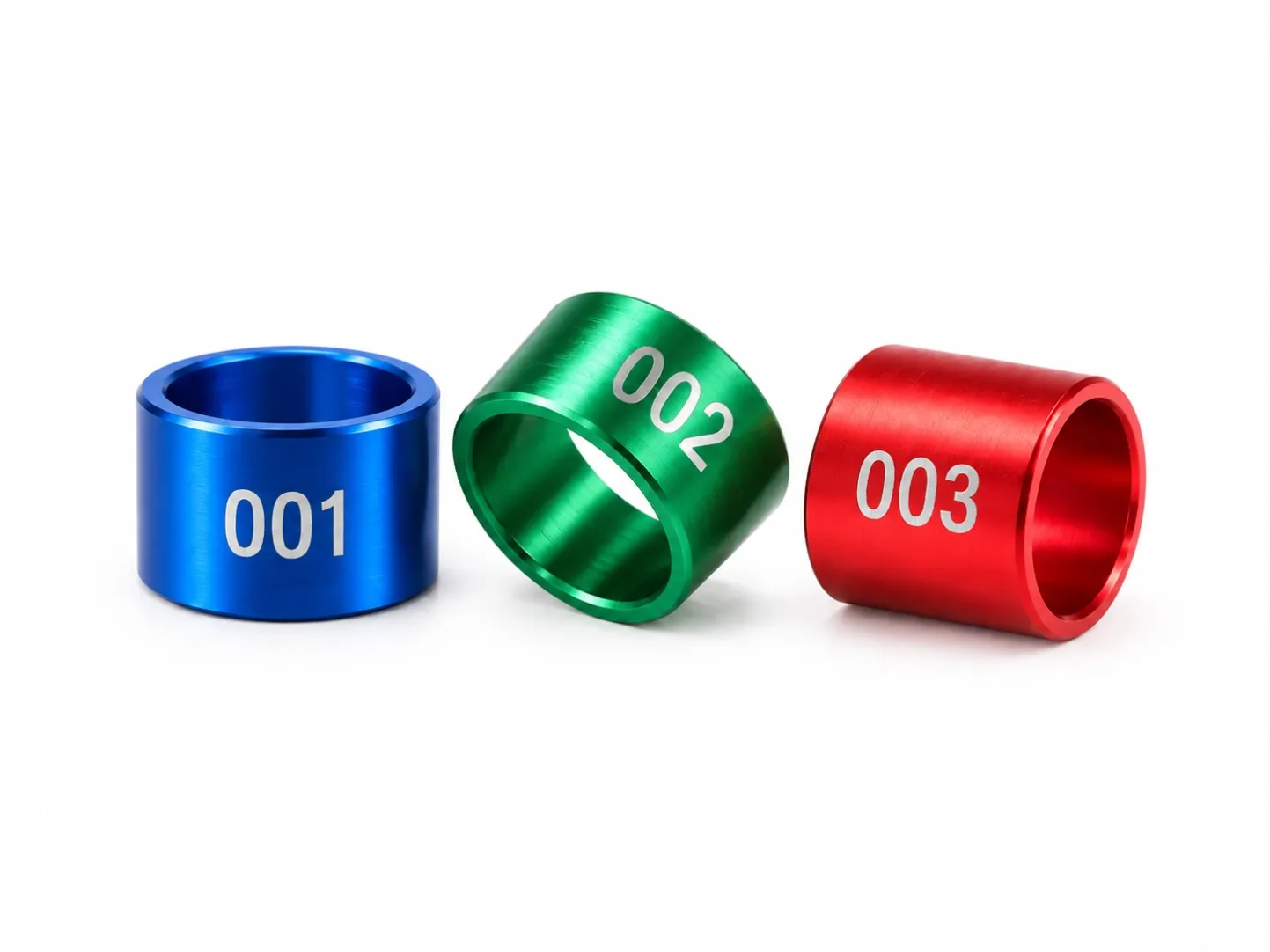
A request for “pigeon rings” or “small bird bands” leaves several purchasing details unresolved. Two rings can look similar in a catalogue while having different inner diameters, heights or fitting styles. For a bulk order, the useful starting point is a written specification and a reference sample that both buyer and supplier can identify.
This guide helps buyers prepare that specification. It does not assign a universal ring size to a bird species: the intended use, species, age and appropriate fitting advice must be confirmed separately.
1. State inner diameter and ring height separately
Write the required inner diameter in millimetres and label it explicitly. Do not send a single “diameter” value without saying whether it refers to the opening or the outside of the ring. Add the ring height as a separate dimension, along with the measurement reference or drawing used for approval.
For repeat purchases, include the previous supplier’s model code and a clearly identified sample. Ask the new supplier to confirm its corresponding dimensions rather than assuming that matching catalogue size names mean matching products.
2. Confirm the ring style and intended use
Specify whether the request is for a closed ring, an open split ring or another band design. Provide a photograph of the required construction, especially when translating a description between languages. A similar color and printed number do not establish that two styles are interchangeable.
Tell the supplier the bird species, age group and intended identification purpose. Have suitability and fitting confirmed by a suitably qualified person. For scientific wild-bird ringing, follow the applicable scheme’s requirements. The BTO ringing guidance makes clear that ring selection includes height, material and shape as well as internal diameter; its scheme guidance is not a general commercial size chart.
3. Keep material, finish and marking on the same specification
List the required material and color next to the dimensions. If a particular surface appearance matters, approve a physical reference or an agreed color reference instead of relying only on a screen image. Ask the supplier which combinations are available for the chosen model.
Record the exact marking text, character order and layout. A short model code alone is insufficient if different departments use different versions of the artwork. Give the file a revision name and make clear which revision is approved. The bird band numbering file guide explains how to organize custom text and packing groups.
4. Divide mixed orders into clear line items
For an order containing several sizes or colors, create a separate line for every combination. Each line should identify:
- Your item reference and the supplier’s model reference.
- Inner diameter, ring height and ring style.
- Material, color and marking-file revision.
- Quantity in individual pieces.
- Required bag labels and packing groups.
The sum of the line quantities should match the purchase order total. Confirm how the bags will be labelled so receiving staff can distinguish similar rings without opening every pack. If numbered bands must stay together by group, specify that grouping before production approval.
5. Approve a sample against the written requirements
Ask what sample is being supplied: a stock reference for construction, a size sample, or a sample carrying your actual custom marking. These answer different questions. A stock sample can help compare a ring’s construction, but it does not confirm artwork that has not yet been produced.
Check the sample’s dimensions, construction, finish and marking against the agreed specification. Record any differences and obtain written confirmation of the final production version. Agree the dimensional tolerances and inspection approach with the supplier where they matter to your order. Keep an identified reference sample for comparison when the shipment arrives.
6. Compare quotations using the same approved version
Send each supplier the same item list and revision. Ask the quotation to identify the quoted ring model, customization scope, packing, sample arrangements, lead time and delivery basis. This makes a price difference easier to interpret and reduces the chance of comparing different products.
Explore IMINID pigeon rings and bird leg bands, including custom aluminum pigeon rings. Availability, dimensions, customization and final production details are confirmed for the selected model and approved sample.
7. Send a complete quotation request
A practical inquiry can start with: “Please quote bird identification rings for the attached specification. Our requirements are inner diameter [mm], height [mm], style [reference], material [requirement], colors [list], quantity [pieces per item] and destination [country]. Please confirm available options, sample arrangements, packing and lead time.”
Attach your drawing or reference photograph and the marking file if available. If a dimension or style is still undecided, mark it as “to be confirmed” so it remains visible during the quotation and sample review. Clear requirements give both sides a better basis for approving a bulk order.