Ear Tag Applicator Compatibility: A Checklist Before Bulk Orders
Check ear tag applicator compatibility before a bulk order. Confirm tag components, pins, jaw support, spare parts and sample approval with this practical buyer checklist.
When sourcing ear tags in bulk, the applicator deserves its own compatibility check. A familiar handle color or a similar-looking needle is not enough to confirm that a tool fits a particular tag. For distributors, farm suppliers and livestock identification buyers, the practical starting point is to confirm the exact tag components, applicator pin and jaw configuration together.
This purchasing checklist helps you prepare a clear enquiry and agree on the sample combination before committing to a bulk order. It is a sourcing guide, not an animal-tagging procedure.
1. Identify the complete ear tag combination
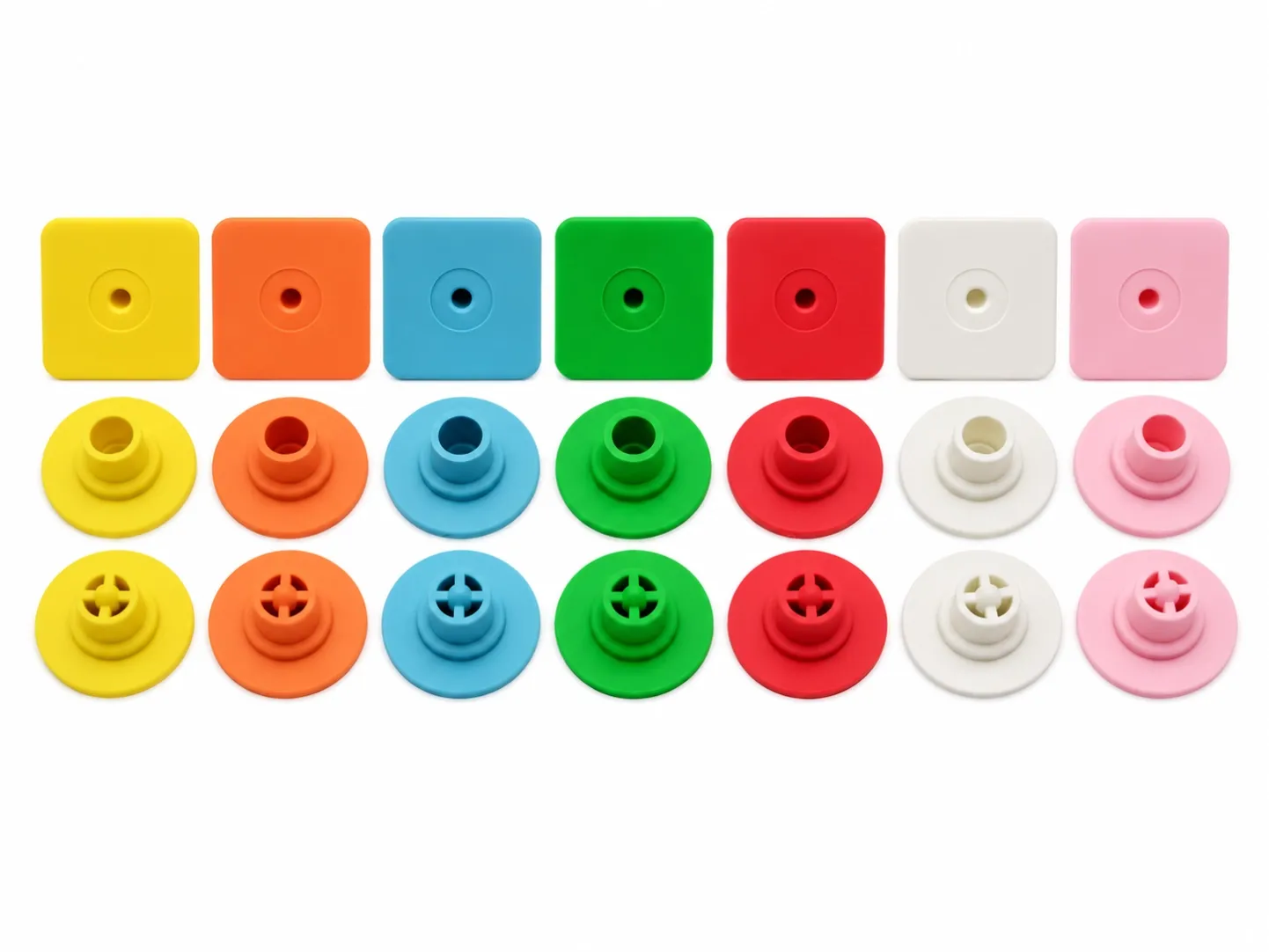
Start with the tag model code and clear photographs of both sides. For a two-piece tag, identify the male fastening part and female receiving part separately. If you are buying only one component, state which existing component it must match. For a one-piece design, ask for the tool specified for that exact design rather than assuming a two-piece tag applicator will work.
Include the animal application and any existing supplier references. The species name alone does not establish compatibility: different tag designs intended for the same animal may require different tools.
2. Confirm the pin, holder and jaw support
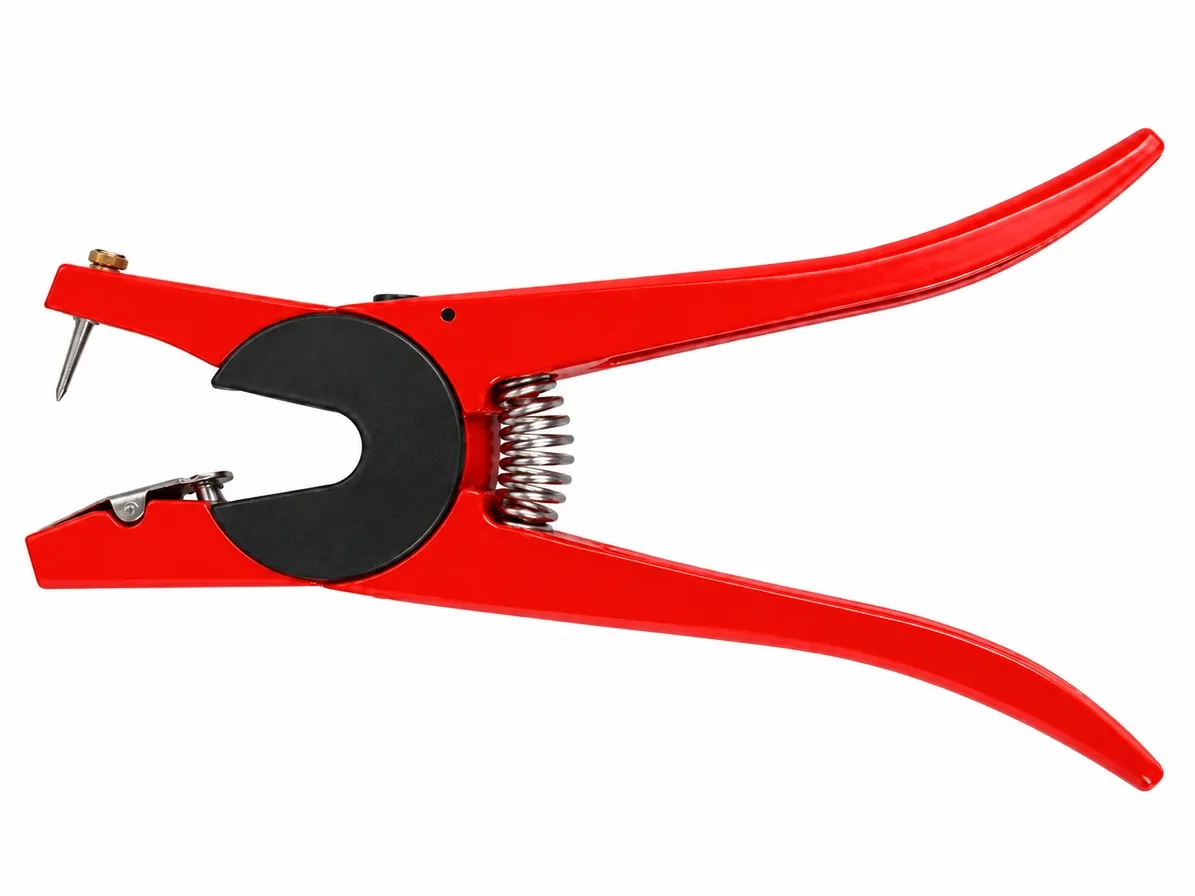
Ask the supplier to identify the applicator model and the pin or needle supplied with it. Request close-up photographs of the pin, its mounting point and the opposite jaw. Confirm how the male part is held and how the female part is supported during closure.
What to include in the compatibility request
- Exact tag model codes and photographs of all components.
- Applicator model, pin reference and jaw configuration.
- Relevant component dimensions or drawings, where available.
- Written confirmation of the proposed tag-and-tool combination.
Do not treat the overall tool length or construction material as evidence of fit. These details help compare products, but the fastening interface must still be checked for the selected tag.
3. Review actual products without assuming interchangeability
IMINID lists a red alloy steel ear tag applicator, approximately 14.7 cm long. Its product page asks buyers to confirm the selected tag model, needle and jaw configuration before ordering. The catalogue also includes blue stainless steel sheep ear tag pliers; these are a separate product option, not a confirmed substitute for the red tool.
4. Agree on a sample approval process
Request samples of the exact tag components and applicator configuration proposed for the order. Ask the supplier for a demonstration using those components and confirm what the demonstration establishes. A product photograph or a successful closure demonstration alone does not establish long-term retention, animal suitability or compliance with a local identification scheme.
Keep a record of the approved model codes, photographs and any agreed revisions. Before production, ask the supplier to confirm that the bulk goods will use the same approved configuration. Follow the supplier's instructions and applicable animal-welfare and identification requirements for actual use.
5. Specify spare parts and packing
Confirm whether replacement pins are available, whether any are included and which reference should be used for reorders. Do not assume that spare pins fit every tool. Ask how tools and spare parts will be labelled so your warehouse or customers can identify the correct match.
For mixed orders, separate the tag quantities, applicator quantities and spare-part quantities. Confirm packing units and request clear labels where multiple models are shipped together. This makes the quotation easier to compare and reduces confusion at receiving.
Send a clear compatibility enquiry to IMINID
Send your tag photographs, model references, required quantities and destination country to info@iminid.com. Tell us whether you need tools for existing tags or a new tag-and-tool package, and whether replacement pins are required. IMINID can review the enquiry and coordinate confirmation of the proposed configuration, samples, packing and quotation.