Product Guides
Ear Tag Sample Approval: What to Check Before a Bulk Order
Use this ear tag sample approval checklist to confirm dimensions, matching parts, numbering, applicator compatibility and packing before a bulk livestock tag order.

An ear tag sample is useful only when the buyer and supplier agree on what it represents. A blank catalogue sample may show shape and color, while a production sample can also demonstrate the agreed marking and packing. Before approving a bulk order, record the exact model, components and checks covered by your approval.
This guide focuses on procurement checks for visual livestock ear tags. It does not prescribe an animal application procedure or replace independent performance testing. Agree with the supplier which sample stage is needed and what remains subject to confirmation.
Define the purpose of the sample
State whether you need a catalogue sample, a customized marking sample or a sample made to the final production specification. Ask the supplier to explain any differences from the proposed bulk goods, including material, color, component combination and packaging. Do not approve a customized order solely because a similar stock sample looks acceptable.
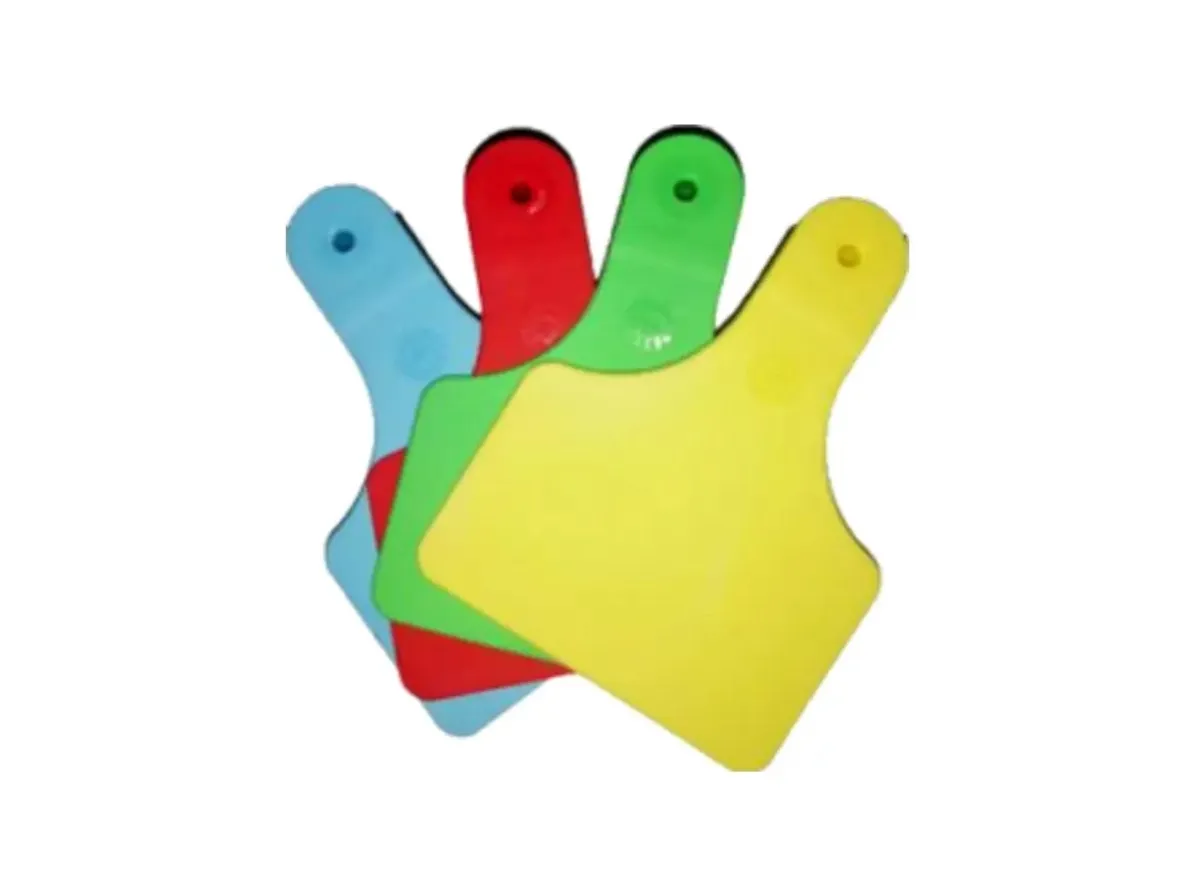
For an initial comparison, the IMINID yellow two-piece livestock ear tag set provides a reference for discussing matching male and female components. Confirm the dimensions, material and intended application for the exact combination you plan to purchase.
Record dimensions and both tag components
Measure the agreed features in millimeters and identify what each measurement describes. A female panel dimension is not the size of the complete assembly. Record the model reference for the female tag and its matching male component, rather than identifying the set only as a yellow cattle tag.
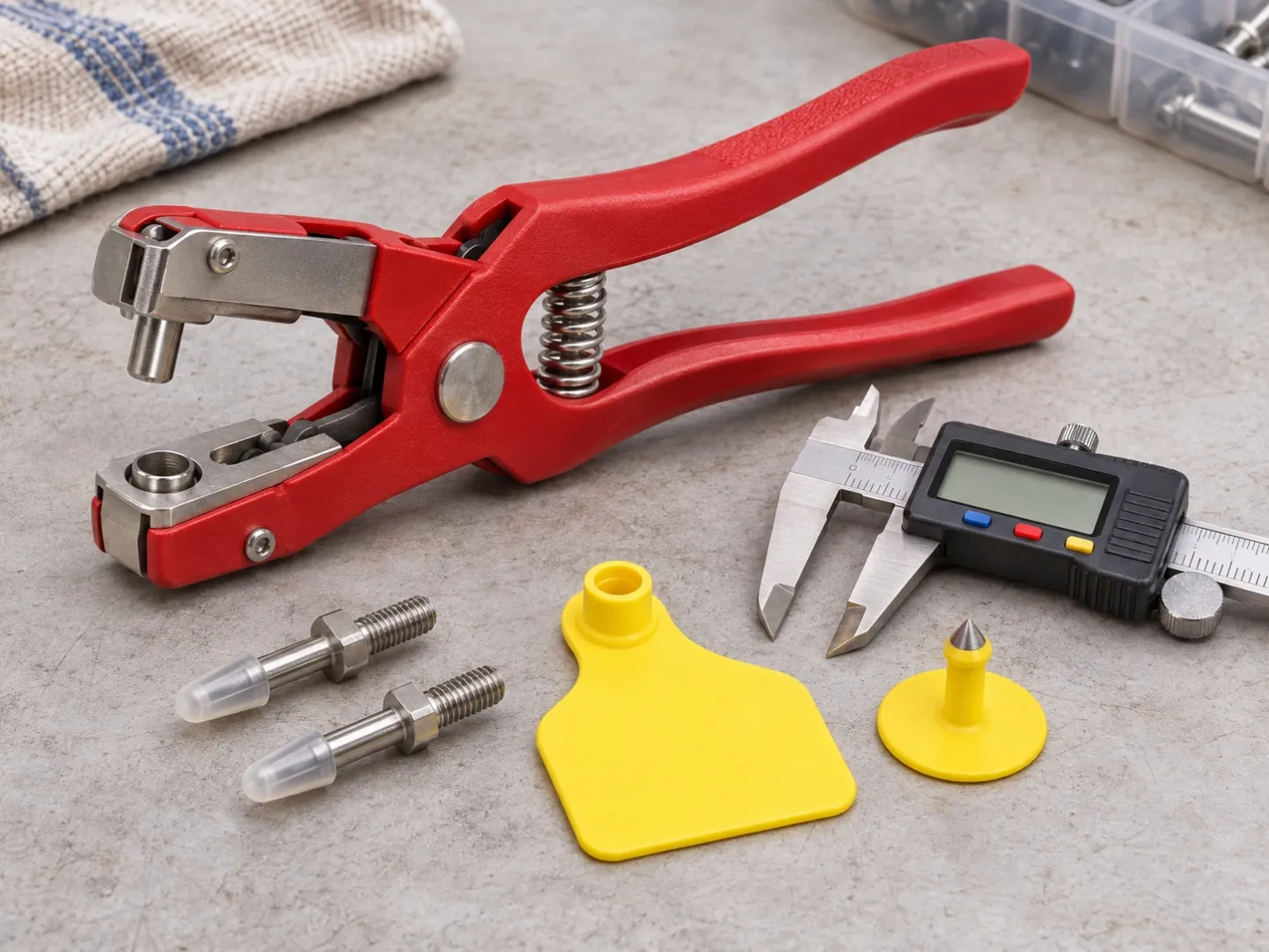
Photograph the front, back and fastening components beside an appropriate measuring tool. Compare the observations with the quotation and drawing, and agree acceptable dimensional tolerances with the supplier. A photograph alone cannot establish dimensions accurately or prove that parts from different models are interchangeable.
If you are comparing several catalogue items, our guide to ear tag sizes, parts and model codes explains how to keep those references separate.
Review marking against the approved file
For a numbered sample, check the exact characters, leading zeros, logo, orientation and line breaks against the current artwork. Include a representative long code when it could affect the layout. Confirm which marking process will be used and whether the sample represents that process.
Check readability under the conditions relevant to your purchasing review, but avoid treating a short visual check as evidence of long-term marking durability. Ask for suitable test evidence when your project requires defined performance. Record deliberate differences between a demonstration code and the actual production numbering file.
Confirm the applicator combination
Identify the proposed applicator and pin configuration alongside the tag models. Ask the supplier to demonstrate the matching components using the tool specified for the order and to document the result. Confirm whether the applicator and replacement pins are included in the quotation or supplied separately.
Do not infer compatibility from color or general appearance. Use our ear tag applicator compatibility checklist to prepare the tool and component questions. Any use on animals should follow the applicable product instructions and qualified local guidance.
Separate sample checks from performance evidence
A buyer can compare visible dimensions, layout and packing, but a small sample review cannot establish a guaranteed field retention rate or service life. Where durability or locking performance is a purchase requirement, specify the evidence and acceptance criteria needed before approval.
ICAR describes conventional ear tag assessment as including design, locking and application checks, followed by laboratory evaluations of material, environmental resistance and marking readability. These formal evaluations are broader than a buyer's visual sample inspection. This reference does not claim that the IMINID products mentioned here hold ICAR certification.
Approve packing and keep a reference sample
State whether the order quantity means complete sets or individual pieces. Check the proposed number of male and female components per bag, labels, numbering groups and any required sequence. A mixed carton should be understandable without opening every bag to identify its contents.
Keep a labeled reference sample and a short approval record: sample date, supplier reference, product models, artwork version, checked items and open points. State whether approval covers appearance only or the agreed production specification. If a component, marking method or other agreed feature changes, request confirmation and decide whether a new sample is needed.
Send a focused sample request
Provide your product reference, intended species, required dimensions, quantity, marking example and destination country. Explain what the sample must demonstrate and ask the supplier to confirm sample availability, charges and lead time. Browse the IMINID livestock ear tag range to identify suitable items for discussion.
Copyable Ear Tag Sample Approval Record
Use one record for each agreed tag and component combination. Fill in the following fields and send any unresolved points to the supplier before approving production.
- Sample date and reference: [enter].
- Female tag model and matching male component: [enter both references].
- Agreed dimensions and tolerances: [enter measurements and drawing revision].
- Color and marking-file revision: [enter approved references].
- Applicator model, pin and compatibility confirmation: [enter].
- Bulk quantity and unit: [complete sets or individual pieces].
- Bag quantities, numbering groups and labels: [enter].
- Checked items, supporting evidence and open points: [enter].
- Approval decision: [approved / revise and resubmit / on hold], with approver and date.
Record what the approval covers. Keep material, performance or other unverified requirements open until the agreed evidence is available.
Reference: ICAR certification procedures for animal identification devices, particularly conventional ear tag assessment. The purchasing workflow above is an IMINID buyer checklist, not a certification test protocol.