RFID Knowledge
FDX-B and HDX Ear Tags: Check Reader Compatibility Before Ordering
Compare FDX-B and HDX ear tag reader compatibility. Check 134.2 kHz protocol support, sample reading tests and data export before a bulk animal RFID order.
Choosing electronic ear tags starts with the reader you will use. FDX-B and HDX are different animal RFID technologies, so a label such as “134.2 kHz” is not enough to confirm that a particular reader will read your tags. Match the exact tag and reader specifications, then check the combination with samples before a bulk order.
Start with the tag protocol
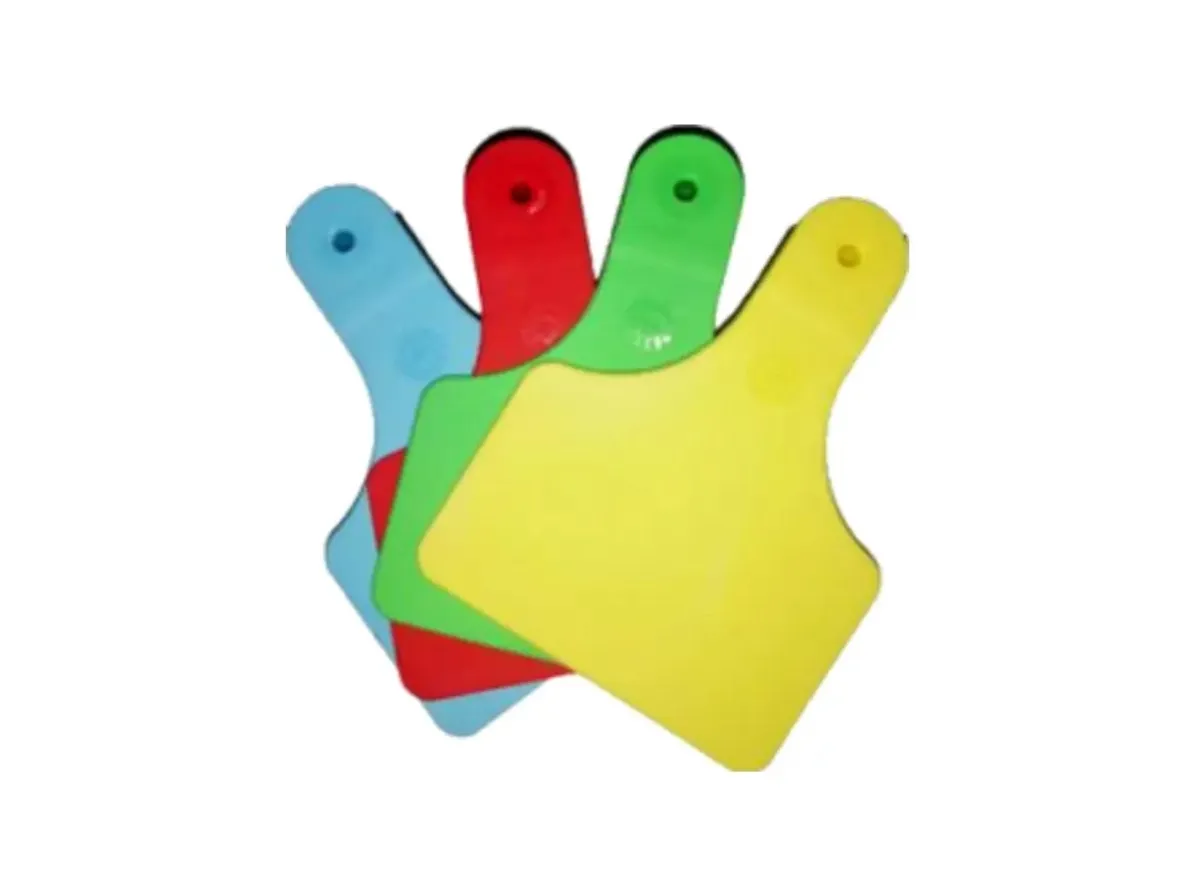
Ask the tag supplier to state FDX-B or HDX on the quotation and specification sheet. Tag color, shape and printed numbering do not identify the electronic protocol. If you already have tags in use, keep their model reference and technical documentation, and provide a sample when possible.
ICAR maintains device listings that distinguish FDX-B and HDX technologies. When certification is required for your project, check the exact manufacturer and model in the relevant record. A general certification statement does not establish that every product from a supplier has the same approval.
Confirm the exact reader configuration
Ask whether the supplied reader supports FDX-B, HDX or both. Use the complete model and configuration in your purchase documents, including any relevant firmware version. Do not assume that a reader described as an animal microchip scanner supports every livestock ear tag.
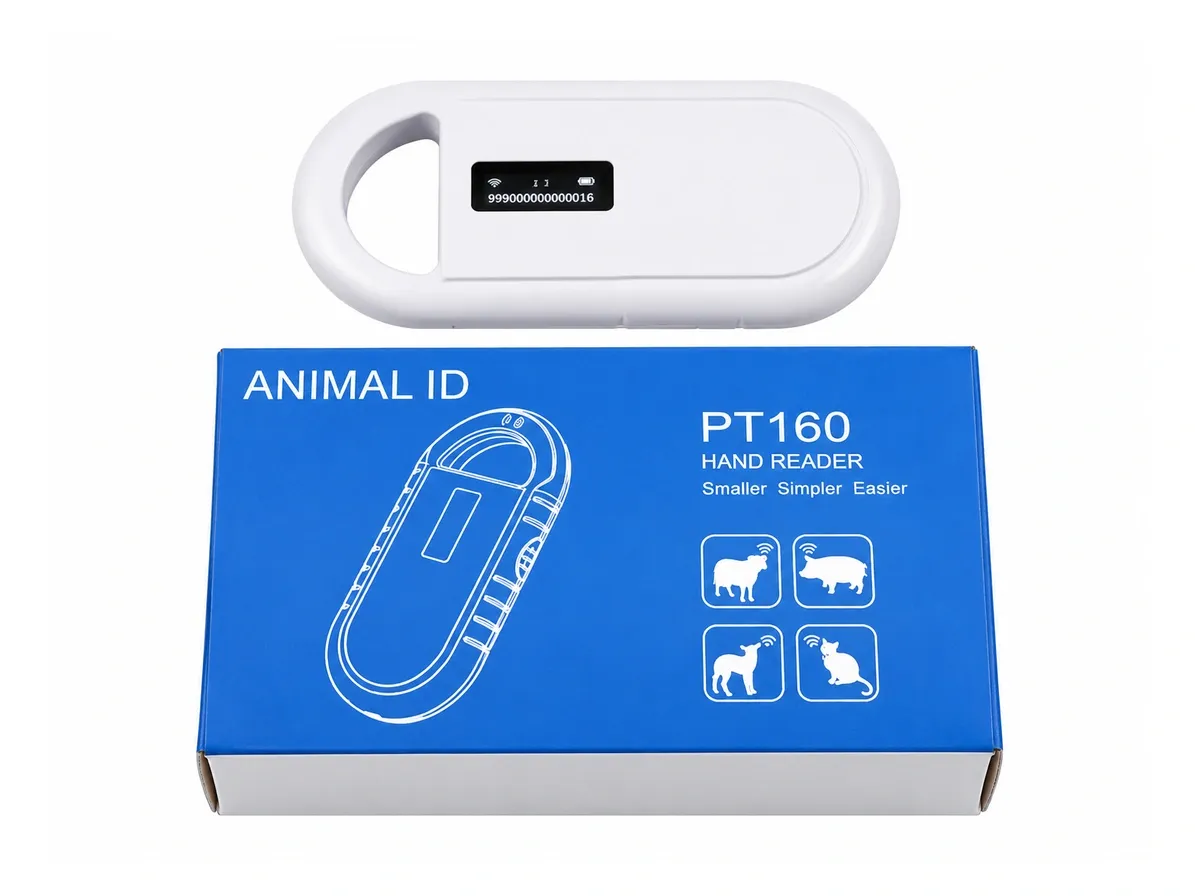
The IMINID PT160 handheld animal RFID reader listing specifies FDX-B. Buyers who need HDX should request separate confirmation for the exact supplied model and a reading test with their own tags. Treat support for an additional protocol as unconfirmed until it has been documented and tested.
Test your samples under practical conditions
Send representative tags from the batch or model you plan to purchase. Ask the supplier to record the tag reference, reader model and displayed ID during the test. If your operation uses both FDX-B and HDX, include samples of both technologies and record the results separately.
Check reading consistency at the working positions and distances your process requires. Tag orientation, the reader antenna and nearby equipment can affect results; a successful close-range demonstration does not establish a guaranteed working range for every installation. Agree on a practical acceptance test before ordering the full quantity.
Check data output as well as reading
A reader can display an ID correctly while still needing a different output method for your records. Confirm whether the supplied configuration uses USB, Bluetooth or another connection, and ask which receiving devices and software it supports. A connection label alone does not promise automatic integration with your farm software.
Request a sample exported file or a live transfer demonstration. Check the complete identifier, any leading zeros, separators and duplicate scans. Keep identifiers as text where necessary so spreadsheet conversion does not alter them. Our guide to using RFID IDs in livestock records explains the records to prepare alongside reader selection.
Prepare a clear quotation request
Tell the supplier your destination country, animal species, tag protocol, quantity and existing reader model. Include any required identification scheme or approval, your receiving device, preferred data format and sample-test requirements. This lets the quotation address your actual system rather than only the appearance of the tags.
If you are still choosing equipment, review the IMINID RFID Identification range and send the tag specifications you need to match. Confirm product availability, protocol support and any required local acceptance for the exact items before purchase.
Before you approve the order
Keep the agreed tag model, reader configuration, sample results and output example together with the purchase specification. If a supplier proposes a replacement model, repeat the compatibility check. A documented sample match gives both sides a clearer basis for the bulk order.
Technical reference: ICAR certified RFID device listings. This guide is a purchasing checklist; it does not claim certification or HDX compatibility for any IMINID product.
Quick compatibility answer
FDX-B and HDX are different animal RFID protocols. A shared 134.2 kHz frequency does not guarantee that one reader supports both. Confirm the exact reader model and protocol, then test representative tags before a bulk order.
What to send for a compatibility check
Tag protocol: FDX-B, HDX or unknown
Existing reader model or a clear photo of its label
One sample tag or sample ID when available
Required data output, quantity and destination country
If the protocol is unclear, send photos of the tag and reader label. IMINID can review the information and confirm which checks or samples are needed before quotation. Review the PT160 animal RFID reader specification or request a compatibility check.