RFID Ear Tag Replacement: Keep the Animal Record Connected
Plan a lost or damaged RFID ear tag replacement with old-to-new ID records, component checks and local programme requirements before ordering.
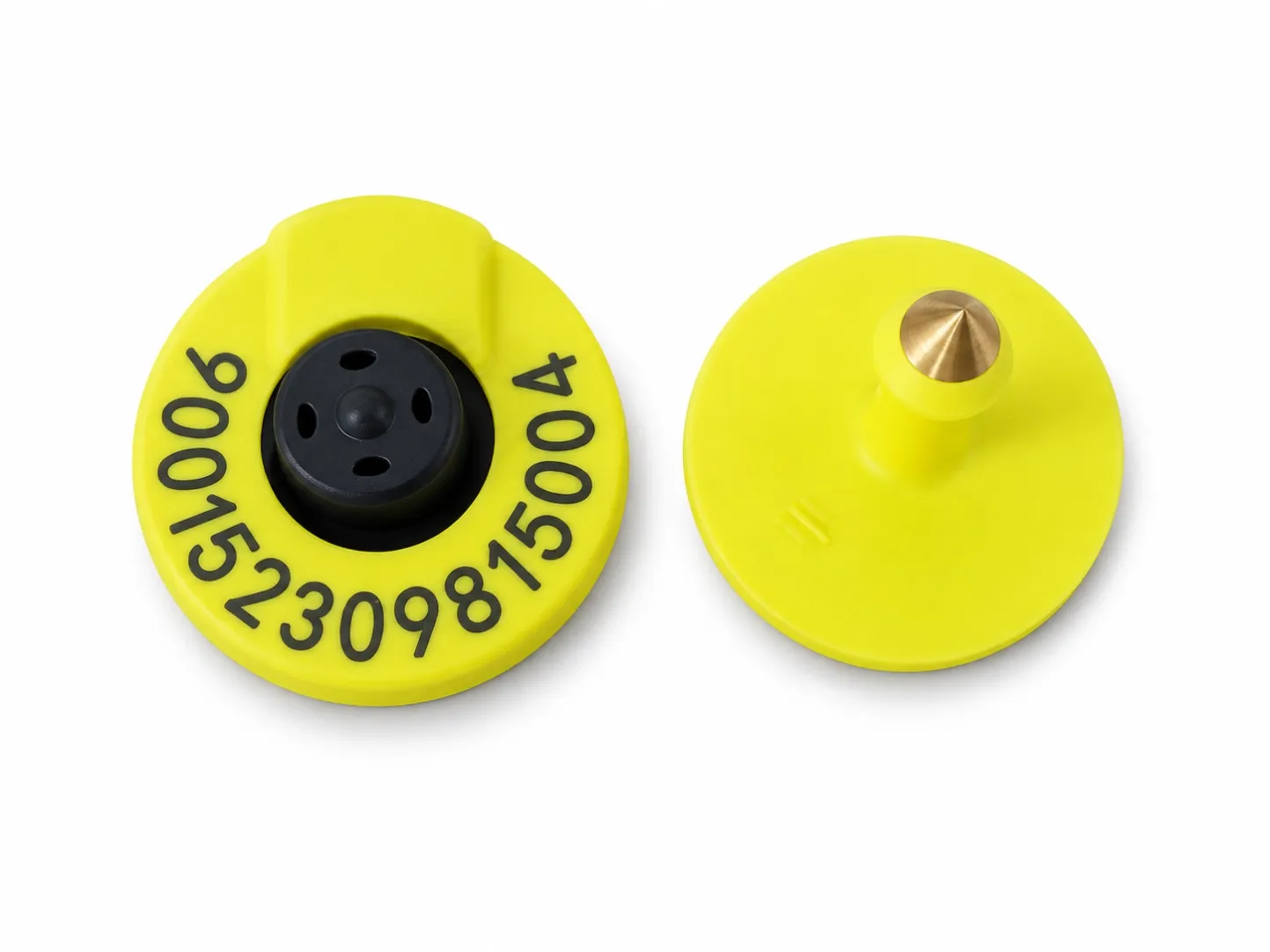
A lost or damaged RFID ear tag creates two separate jobs: choosing a suitable replacement and keeping the animal's existing history connected to its identifier. Ordering a tag with a similar shape does not resolve the record-keeping question.
First establish which identifier is affected
Check whether the missing part carried the electronic identifier, a visible management number, or both. Record any remaining readable identifier and locate the animal's existing record before allocating another number. If identity is uncertain, follow the keeper's verification procedure rather than guessing from appearance.
For official identification, ask the responsible programme or authority which replacement type, supplier, number and reporting process are permitted. A commercial management tag is not automatically an approved official replacement.
Keep an old-to-new replacement record
Where a new electronic identifier is authorised, retain the relationship to the previous identifier instead of silently overwriting it. A practical internal record can include:
- Existing animal record reference and previous RFID ID, where known.
- Remaining visible number and replacement electronic ID.
- Replacement date, reason and person recording the change.
- Any reporting reference required by the relevant programme.
Store complete ID values as text when using spreadsheets, and verify the saved values after import. For a related check, see our guide to RFID codes and barcode labels.
Confirm the complete tag set
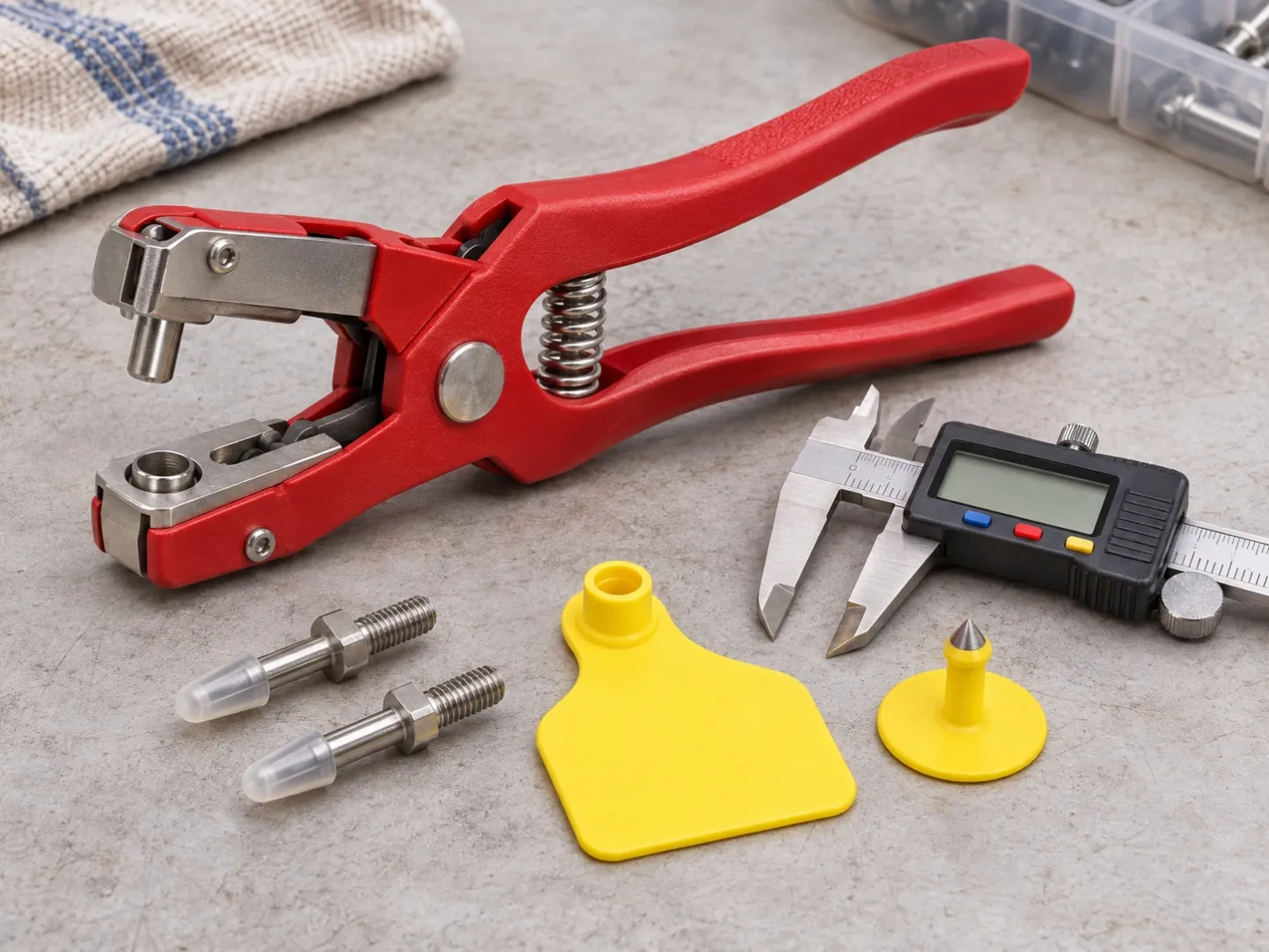
Match the required frequency and protocol, tag dimensions, male and female components, and applicator compatibility. Do not assume a male button from another model will lock correctly because it looks similar. Confirm whether the quotation includes a complete set or an individual replacement component.
Our round FDX-B RFID ear tag product page provides a starting point for commercial enquiries. The exact supplied configuration and any project approval requirements need confirmation before an order.
Test the record workflow with samples
Before a bulk purchase, scan sample tags using the intended equipment, compare the displayed ID with the packing record and check that the software attaches it to the correct animal. Agree on how duplicate entries, unreadable tags and returned components will be handled. Replacement application should follow the tag instructions and the keeper's animal-care procedure.
What to send IMINID
Send the animal type, destination, current tag model or photos, protocol, complete-set quantity and required numbering instructions. Identify whether the request concerns private farm management or an official identification programme. Please do not send confidential animal-owner records; a suitably redacted example is enough to explain the required format.
Planning an RFID ear tag order?
Share your model reference, quantity and required tag configuration for a compatibility review and quotation.
Discuss RFID Ear Tags
Further reading: GOV.UK replacement-tag guidance for sheep and goats. This is a jurisdiction-specific example; requirements in other destinations can differ.